




ABOUT
Basement Waterproofing
| Specification | Details |
|---|---|
| Material | Bitumen, Polymer Membranes, Crystalline Compounds, or PU Resins |
| Type | External / Internal / Integral Waterproofing |
| Form | Membrane, Liquid Coating, or Injection System |
| Application Method | Brush, Roller, Spray, Torch-applied, or Injection |
| Waterproofing Thickness | 1 mm to 4 mm (depends on system type) |
| Resistance | High resistance to water, moisture, and hydrostatic pressure |
| Coverage | Varies depending on material and surface |
| Durability | 10 to 25 years depending on system and maintenance |
| Application Areas | Basements, Parking Areas, Underground Rooms, Foundations |
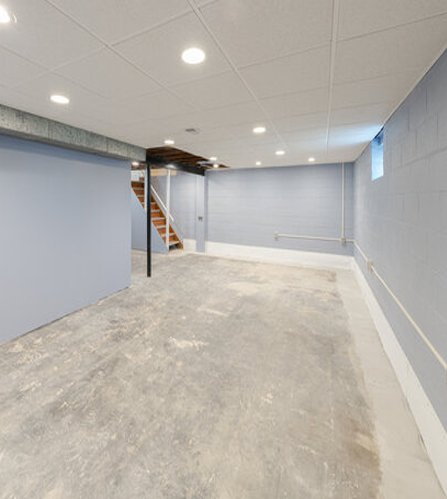
Basement Waterproofing is a critical process to prevent water seepage, dampness, and structural damage in below-ground areas. It involves applying waterproofing membranes, coatings, or injection systems to walls and floors to create a durable barrier against groundwater and moisture. Proper basement waterproofing protects the structure from leaks, mold growth, and corrosion of embedded reinforcement. It is essential for residential, commercial, and industrial buildings to maintain a dry, safe, and healthy environment in basements, parking areas, and underground facilities. Various techniques such as liquid coatings, membrane systems, and crystalline or PU injections can be used depending on site conditions and water pressure.